

















ASTM F2345: Standard Test Methods for Determination of Cyclic Fatigue Strength of Ceramic Modular Femoral Heads
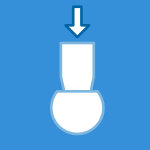
ISO 7206-10: Implants for surgery – Partial and total hip-joint prostheses – Part 10: Determination of resistance to static load of modular femoral heads
PI-14: Compression Test Hip Ball static/dynamic
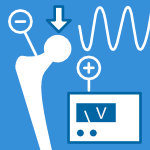
The test method according to ASTM F2345 describes the evaluation of the cyclic fatigue strength of ceramic modular femoral heads. For the test, test cones are used that are equivalent to the femoral stem of the total hip arthroplasty. Post-fatigue, a static burst test according to ISO 7206-10 is performed to determine the static strength of the femoral heads remaining after cyclic fatigue loading. Our internal test method PI-14 describes a similar test setup for cyclic testing of ceramic femoral heads.
EndoLab is one of the most established implant testing laboratories worldwide and performs testing according to ASTM F2345 in its ISO 17025 accredited laboratory. As active contributors to international standardization, our engineers know not only the standard, but also the reasoning behind it.
EXECUTIVE SUMMARY
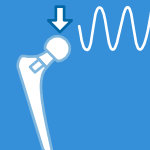
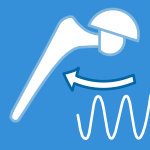
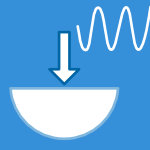
The ASTM F2345 test evaluates the cyclic fatigue strength of ceramic modular femoral heads mounted on a metal cone. Before testing, head and cone are cleaned and assembled with a static installation force of 2 kN. The assembly is then loaded with a sinusoidal compressive force in physiological solution at 37 °C – either along the neck axis (on-axis) or at 30° (off-axis). The on-axis test runs until fracture or 10 million cycles. Afterwards, a burst test according to ISO 7206-10 determines the static strength remaining after cyclic loading.
Read more…
Key facts – ASTM F2345
- Current version: ASTM F2345-21 (reapproved 2026)
- Number of specimens: at least five per group recommended (on-axis)
- Installation force: 2 kN static
- Test environment: physiological solution at 37 °C
- Waveform: sinusoidal, minimum force 10 % of load magnitude
- Test frequency: max. 30 Hz
- Load axis angle: 0° ± 1° (on-axis) or 30° ± 1° (off-axis)
- Duration on-axis: until fracture or 10 million cycles
Purpose of ASTM F2345
ASTM F2345 determines how head and cone materials, design variables and manufacturing affect the cyclic load-carrying ability of ceramic modular femoral heads. It was developed primarily for alumina, zirconia-reinforced alumina and zirconia heads on metal cones, but may also apply to other materials. The results allow different head designs to be compared under similar conditions but cannot directly predict clinical performance.
Test specimens for ASTM F2345
Testing can be carried out on actual femoral stems or simplified neck-cone models. The cone must correspond to the final stem in material, tolerances and surface finish. A new head and a new cone are used for every test. The appendix of ASTM F2345 highlights the importance of head-cone fit: a series of fractures of one 22 mm zirconia head design was attributed to a head bore angle smaller than the taper angle.
Test conditions in ASTM F2345
Since clinical impaction forces vary widely, ASTM F2345 uses a static installation force of 2 kN for repeatability – a lower boundary of clinical mounting forces. EndoLab performs testing on highly precise servo-hydraulic load frames with well thought-out fixtures. The force must stay within ±2 % of the largest compressive force, and the line of force must pass through the centre of the head.
On-axis and off-axis fatigue test according to ASTM F2345
ASTM F2345 defines two fatigue test methods:
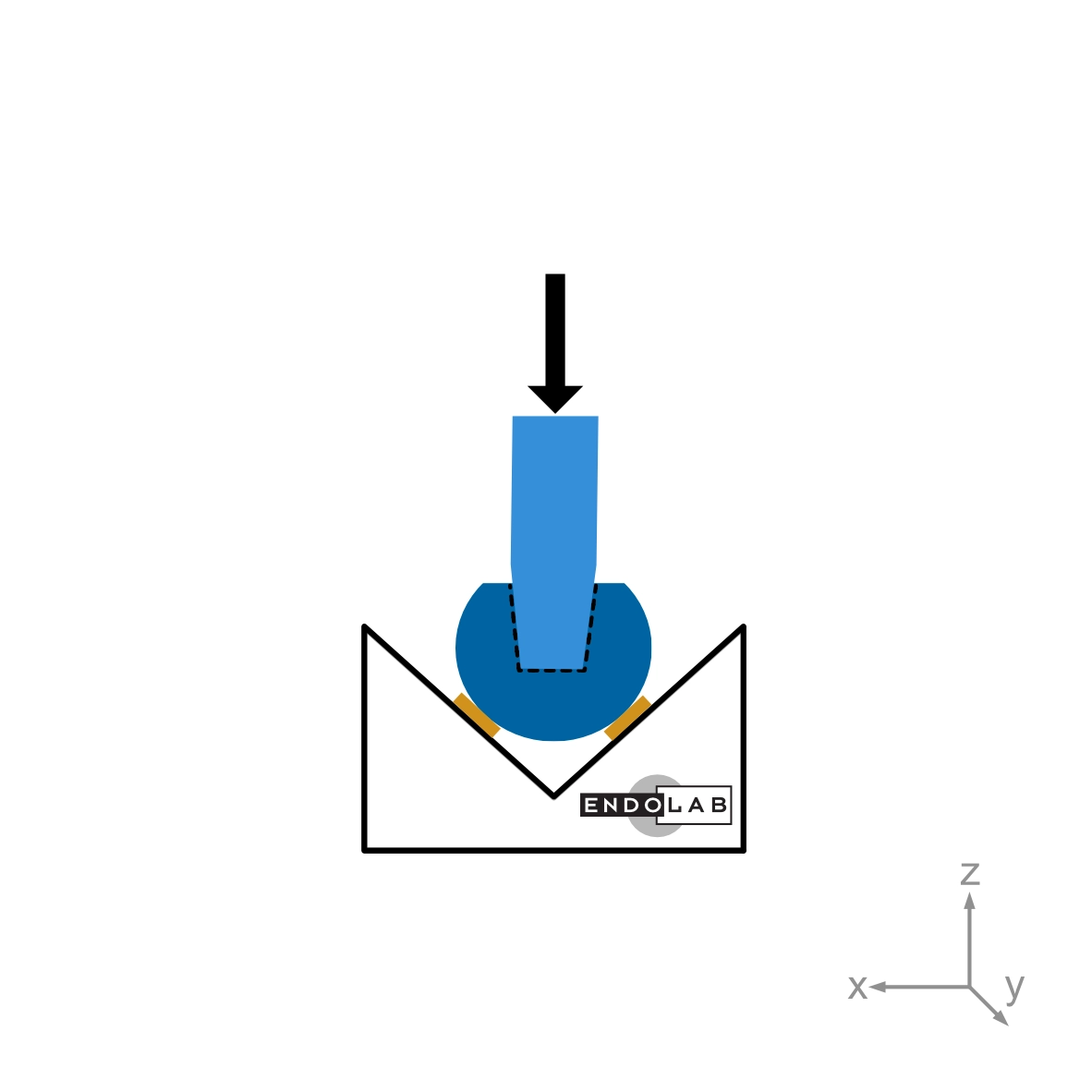
- On-axis test (0°): load introduced via a hardened 100° metal cone or a copper ring
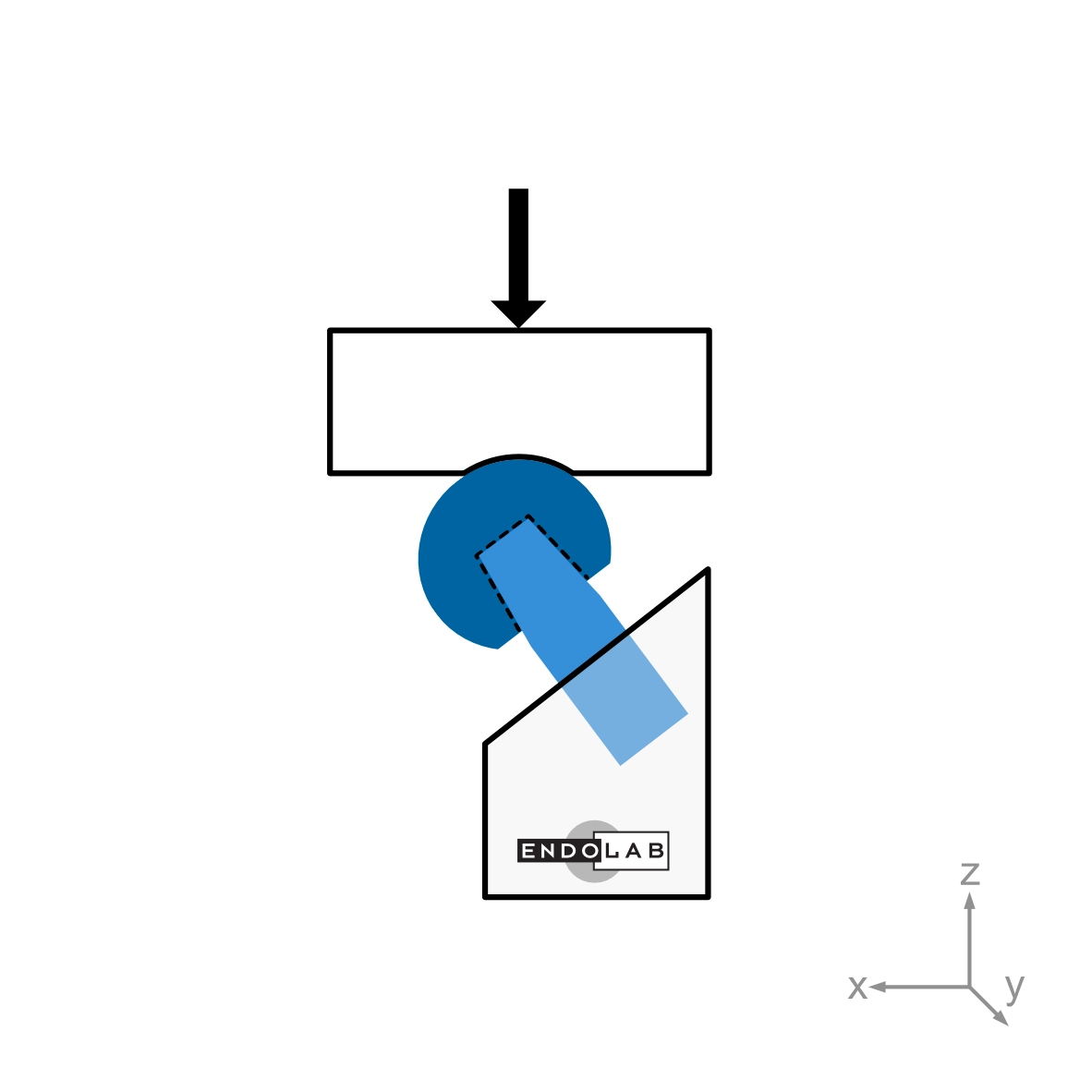
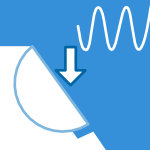
- Off-axis test (30°): load introduced via a polymeric spherical cup with a segment diameter of 0.643 times the head diameter
At 0°, modular femoral heads may withstand 40 kN to 250 kN. The hard metal bearing carries these forces; according to finite element studies cited in the standard, it does not affect the stresses where fractures initiate. Hip forces of 2 kN to 3 kN at load axis angles of 10° to 45° are generally considered physiological. The 30° off-axis angle lies within this range while permitting higher test forces without compromising the implant neck. For new zirconia-containing materials, the standard describes ageing pretreatments before fatigue testing: 5 hours of steam autoclaving at 134 °C and 2 bar, or 15 hours in boiling water.
Post-fatigue burst test in ASTM F2345
After fatigue testing, a burst test according to ISO 7206-10 – in air, at ambient conditions, ideally within one or two days – determines the remaining static strength.
Evaluation of ASTM F2345 results
The primary results are the number of cycles completed, whether the specimen failed, and the residual static strength. The results can be used to compare the fatigue performance of different ceramic femoral head designs under similar laboratory conditions.
This page is EndoLab’s summary of ASTM F2345 and does not replace the standard itself. The complete and authoritative version, ASTM F2345-21(2026), is available as a PDF from ASTM International: ASTM F2345-21(2026)